Gebelik Sonrası Mastit
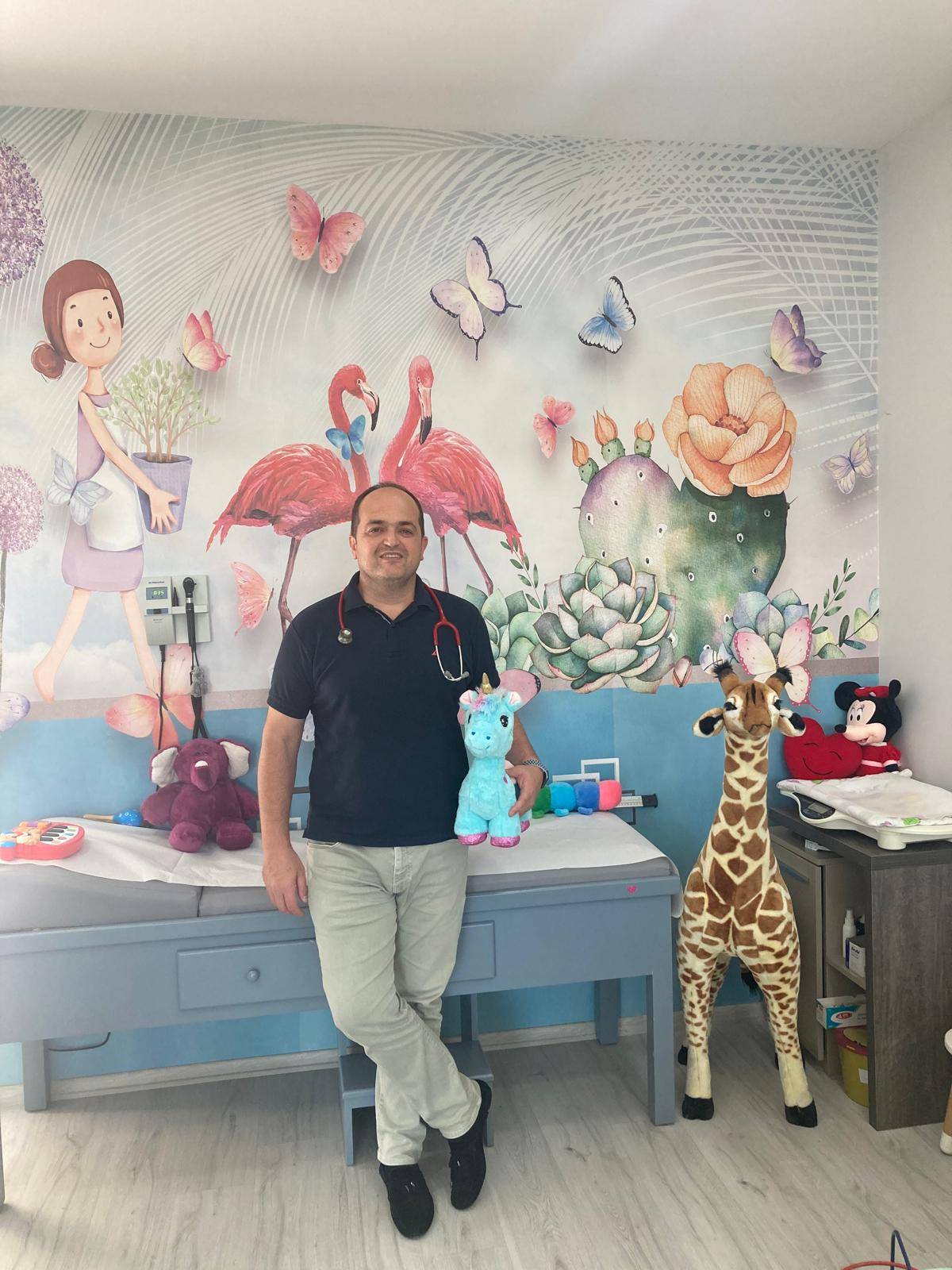
Uzm. Dr. Gökhan DAVUTOĞLU
Çocuk Sağlığı ve Hastalıkları Uzmanı · Ümraniye, İstanbul
Medikal Not · Kısa Özet
Mastit, emzirme döneminde sütün meme kanallarında birikmesi sonucu gelişen iltihaplanmadır. En önemli adım emzirmeye devam etmek ve memeyi etkili boşaltmaktır. Yüksek ateş, şiddetli ağrı veya 24–48 saat içinde düzelmeme durumunda antibiyotik tedavisi gerekebilir.
Bu konuyu daha ayrıntılı ele aldığımız tam makaleye ulaşmak için:
Gebelik Sonrası Mastit – Tam Makale— Uzm. Dr. Gökhan DAVUTOĞLU, Çocuk Sağlığı ve Hastalıkları Uzmanı, Ümraniye İstanbul
Ümraniye ve Üsküdar başta olmak üzere Ataşehir, Kadıköy ve tüm Anadolu Yakası'ndan ailelere hizmet veriyoruz.We serve families primarily from Ümraniye and Üsküdar, as well as Ataşehir, Kadıköy and all of the Asian Side of Istanbul.
Mastitis After Childbirth
Assoc. Dr. Gökhan DAVUTOĞLU · Specialist in Pediatrics, Ümraniye Istanbul
Mastitis is an inflammation of breast tissue, usually caused by bacterial infection, most commonly occurring in the first 2–6 weeks after delivery. It affects approximately 10–20% of breastfeeding mothers and is a significant cause of early breastfeeding discontinuation.
Symptoms: Breast pain, warmth, redness, and swelling in a wedge-shaped area; flu-like symptoms (fever above 38.5°C, chills, body aches, fatigue). One breast is typically affected.
Causes: Milk stasis (blocked milk ducts) + bacterial entry (most commonly Staphylococcus aureus, including MRSA in severe cases). Risk factors: cracked or damaged nipples, improper latch, skipped feedings, sudden reduction in nursing frequency.
Treatment: Continue breastfeeding or pumping — this is crucial and does NOT harm the baby. Empty the affected breast frequently. Apply warm compresses before feeding. Rest and hydration. Antibiotic therapy (usually 10–14 days of dicloxacillin or cephalexin). Do not stop breastfeeding abruptly — this increases abscess risk.
When to seek immediate care: Symptoms not improving within 24 hours of antibiotics, fluctuant (fluid-filled) lump suggesting abscess, high fever with worsening condition. Breast abscess may require ultrasound-guided aspiration or surgical drainage. Consult your physician or lactation specialist promptly.