Yenidoğandan Çocukluğa Reflü (GÖR/GERD)
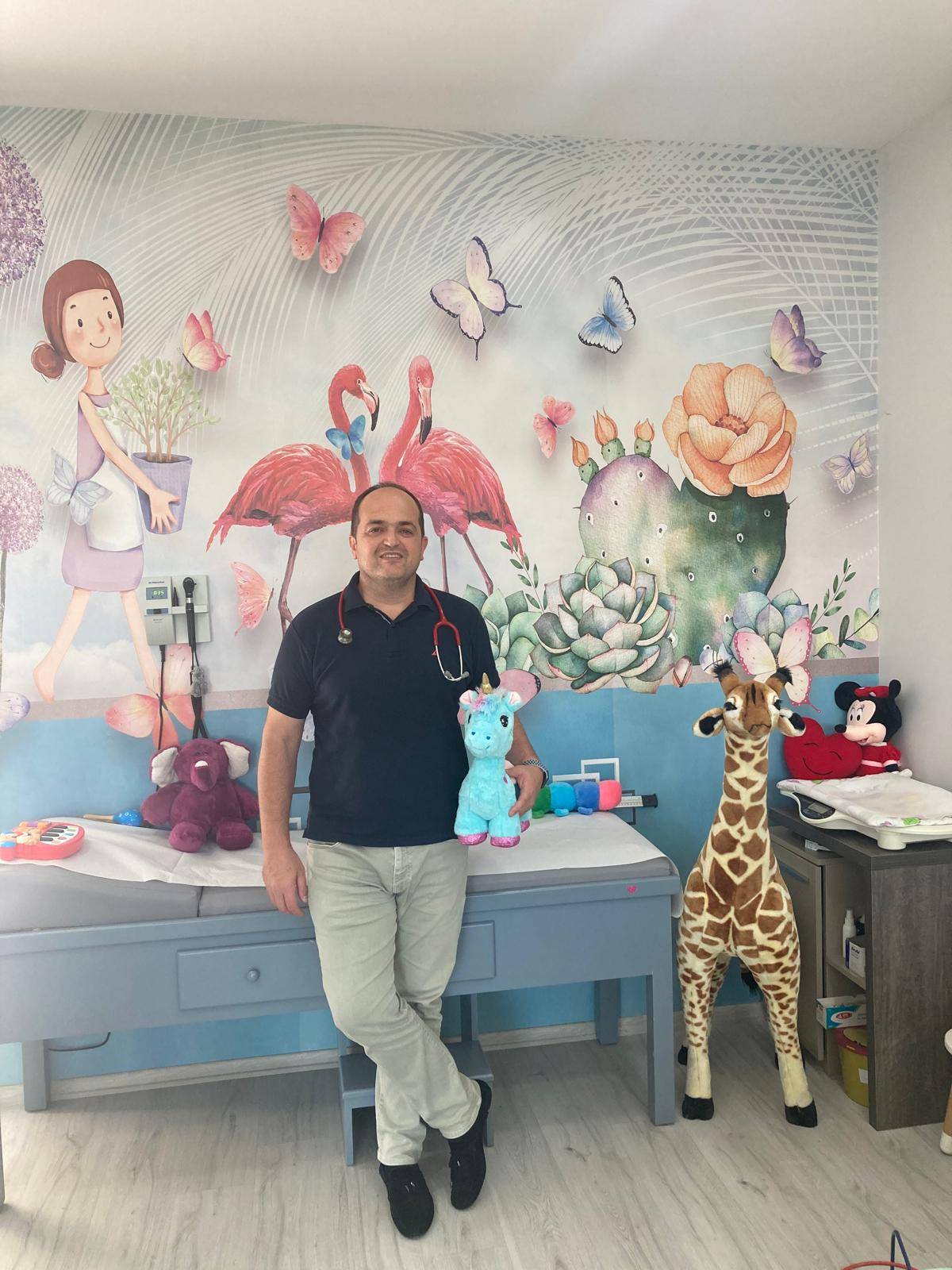
Uzm. Dr. Gökhan DAVUTOĞLU
Çocuk Sağlığı ve Hastalıkları Uzmanı · Ümraniye, İstanbul
Medikal Not · Kısa Özet
Gastroözofageal reflü, mide içeriğinin yemek borusuna kaçmasıdır. Bebeklerde çoğunlukla fizyolojiktir ve 1 yaşına kadar geçer. Kilo kaybı, şiddetli ağlama veya solunum sorunları varsa GERD düşünülüp çocuk uzmanına başvurulmalıdır. Tedavide beslenme düzeni ve pozisyon en önce gelir.
Bu konuyu daha ayrıntılı ele aldığımız tam makaleye ulaşmak için:
Çocuklarda Reflü Rehberi – Tam Makale— Uzm. Dr. Gökhan DAVUTOĞLU, Çocuk Sağlığı ve Hastalıkları Uzmanı, Ümraniye İstanbul
Ümraniye ve Üsküdar başta olmak üzere Ataşehir, Kadıköy ve tüm Anadolu Yakası'ndan ailelere hizmet veriyoruz.We serve families primarily from Ümraniye and Üsküdar, as well as Ataşehir, Kadıköy and all of the Asian Side of Istanbul.
Reflux from Newborn to Childhood (GER/GERD)
Assoc. Dr. Gökhan DAVUTOĞLU · Specialist in Pediatrics, Ümraniye Istanbul
Gastroesophageal reflux (GER) — the passage of stomach contents back up into the esophagus — is extremely common in infants. It is part of normal development in most cases. When reflux causes complications, it is termed GERD (Gastroesophageal Reflux Disease).
Normal infant reflux (GER): Seen in up to 70% of infants at 3–4 months. Characterized by effortless spitting up after feeds, with the baby otherwise happy, gaining weight well, and comfortable. This is often called "happy spitter" — no treatment is needed.
Pathological reflux (GERD): Spitting up associated with crying, arching, feeding refusal, poor weight gain, recurrent respiratory infections, or apnea. These require evaluation and management.
Red flags requiring urgent evaluation: Forceful vomiting (projectile — may indicate pyloric stenosis), blood in vomit or stool, significant weight loss, persistent vomiting after 12 months, neurological symptoms.
Management: Positioning (hold upright 20–30 min after feeds); thickening feeds (rice cereal in formula for formula-fed infants); smaller, more frequent feeds; if breastfed — trial of maternal dairy elimination. Medication (H2 blockers, PPIs) only for confirmed GERD with complications. Avoid over-medicating — most infant reflux resolves by 12–18 months.