Çocuklarda Genetik Hastalıklar
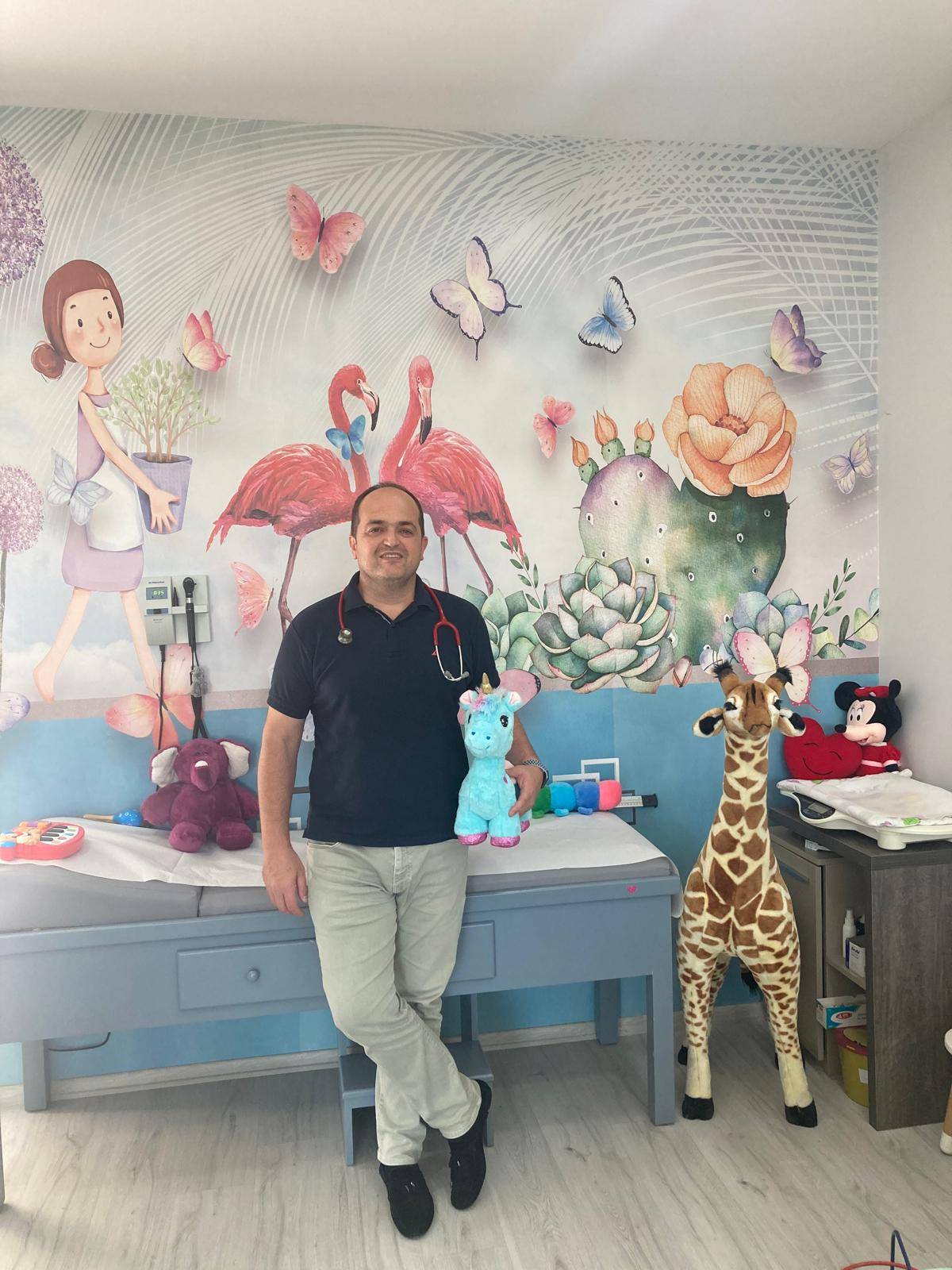
Uzm. Dr. Gökhan DAVUTOĞLU
Çocuk Sağlığı ve Hastalıkları Uzmanı · Ümraniye, İstanbul
Medikal Not · Kısa Özet
Genetik hastalıklar, gelişim geriliği, alışılmışın dışında yüz/el/ayak yapısı, tekrarlayan düşük ya da açıklanamayan erken ölüm öyküsüyle şüphe uyandırır. Özellikle akraba evliliklerinde risk artar. Down sendromu, kistik fibrozis, PKU ve Duchenne en sık karşılaşılan örneklerdir.
Bu konuyu daha ayrıntılı ele aldığımız tam makaleye ulaşmak için:
Genetik Hastalıklar – Tam MakaleWhen Should We Suspect Genetic Diseases in Children?
Assoc. Dr. Gökhan DAVUTOĞLU · Specialist in Pediatrics, Ümraniye Istanbul
Genetic diseases affect approximately 1 in 25 children. While some are diagnosed at birth (chromosomal abnormalities like Down syndrome, visible malformations), many have subtle presentations that may not be recognized until months or years later.
Warning signs suggesting genetic disease: Multiple congenital anomalies in different organ systems, developmental delay or regression, unusual facial features (dysmorphic features), unusually short or tall stature, intellectual disability without a clear cause, recurrent pregnancy losses in the family, or a sibling or parent with a known genetic condition.
Common genetic conditions: Down syndrome (trisomy 21), Turner syndrome (girls with short stature and delayed puberty), Noonan syndrome, Fragile X syndrome (most common inherited cause of intellectual disability in boys), neurofibromatosis.
When to refer to genetics: Pediatricians typically refer to a clinical geneticist when multiple anomalies are present, developmental delay has no clear cause, or a specific genetic syndrome is suspected. Chromosome analysis (karyotype), chromosomal microarray, and gene sequencing (whole exome/genome sequencing) are key diagnostic tools.
Genetic counseling: Provides families with information about recurrence risk, available testing, reproductive options, and condition management. Early diagnosis allows early intervention and better outcomes.